The Unforeseen Aftermath: Anonymous Ex Blasts Laegreid For Public Spectacle After Cheating Confession
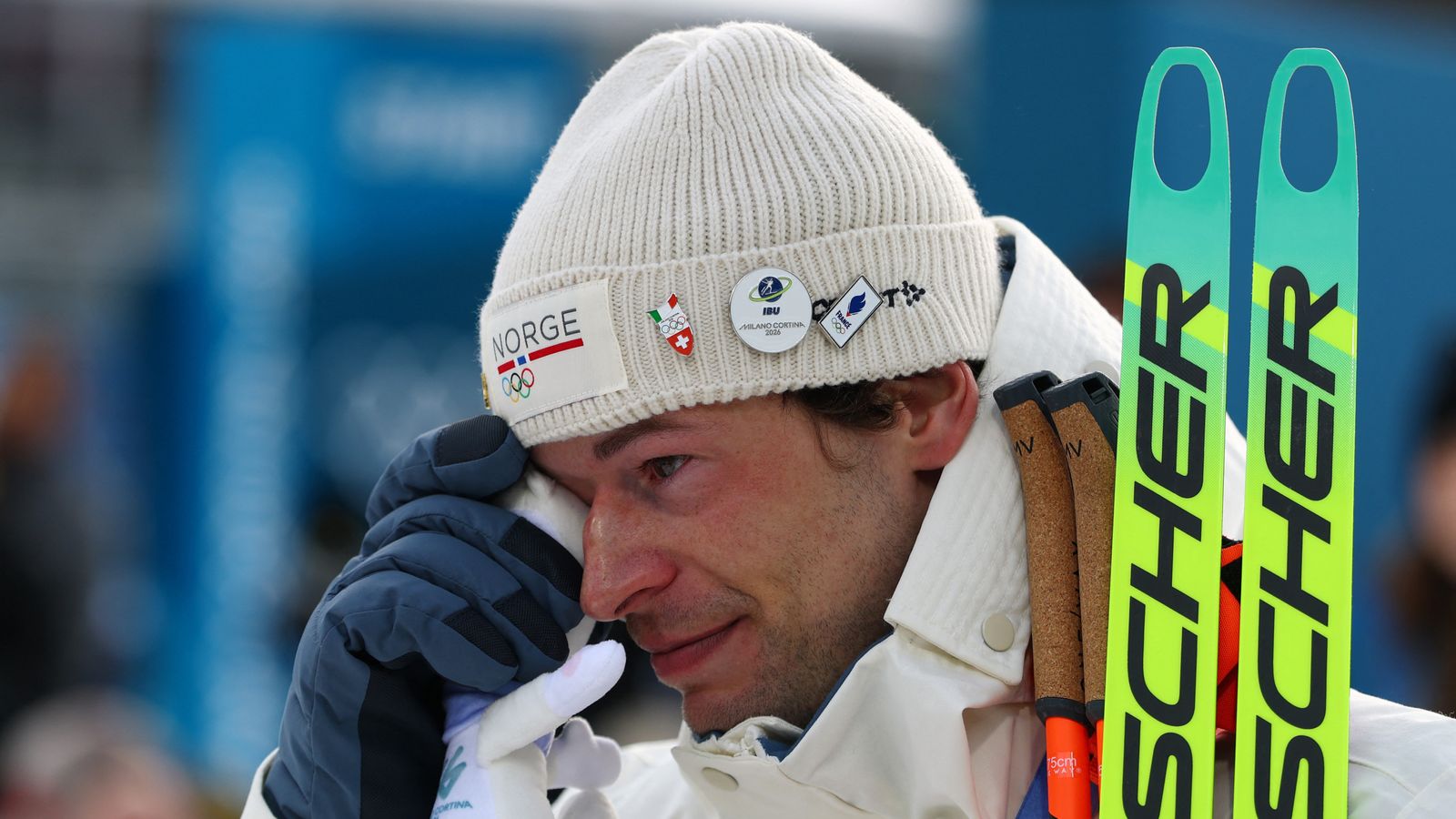
The world of elite sports often serves as a grand stage for triumph, resilience, and human emotion. However, during the recent Milan-Cortina Winter Olympics, Norwegian biathlete Sturla Holm Laegreid inadvertently turned his bronze medal moment into a raw, public confession of infidelity. What followed was a ripple effect that extended far beyond the sporting arena, drawing his now ex-girlfriend, who wishes to remain anonymous, into an unwilling public spectacle. Her recent statements reveal a deep sense of betrayal and a struggle to forgive, not just the act of cheating, but the decision to air their private heartbreak on a global stage.
Laegreid, a celebrated athlete with an impressive track record including Olympic gold and numerous World Championship medals, found his achievements overshadowed by a tearful admission that left viewers stunned. While some lauded his honesty, the woman at the heart of the confession, the Sturla Holm Laegreid girlfriend who endured the private betrayal, has made it clear that his public display has only intensified her pain. Her perspective casts a crucial light on the complexities of personal relationships under the intense glare of public scrutiny, especially when one party unilaterally decides to share intimate details with the world.
The Weight of a Public Confession: A Private Heartbreak Unveiled
The scene was set for triumph. Fresh from securing a bronze medal in the men's 20km biathlon, Sturla Holm Laegreid faced the cameras, but his post-race interview quickly veered into unexpected territory. Instead of celebrating his athletic feat, he confessed to infidelity, telling reporters it had been the "worst week of my life." He spoke of meeting "the love of my life and the most beautiful and kindest person in the world" six months prior, only to admit to making "the mistake of my life" by cheating on her three months later. He revealed he had come clean to her a week before the public confession.
While Laegreid’s tearful honesty might have been intended as a form of public repentance or an attempt to unburden himself, it inadvertently forced his ex-girlfriend into an unwelcome spotlight. His raw, emotional performance, delivered in front of millions of viewers, transformed what was a deeply personal crisis into global news. This raises critical questions about the ethics of public confessions, particularly when they involve another individual who has not consented to have their private life exposed. Was it a moment of genuine remorse, or did it also serve as a public relations maneuver to garner sympathy, regardless of the cost to the other party?
For the anonymous Sturla Holm Laegreid girlfriend, this televised declaration of love and simultaneous admission of betrayal must have been an agonizing experience. It pulled back the curtain on her private anguish without her consent, leaving her vulnerable to public speculation and sympathy she never sought. The perception of vulnerability from one party can often lead to further isolation for the other, whose pain is then judged against the perceived "bravery" of the confessor.
The Anonymous Voice: "It's Hard to Forgive"
In the wake of Laegreid's shocking interview, his former girlfriend broke her silence, expressing her profound hurt and reluctance to forgive. "It's hard to forgive. Even after a declaration of love in front of the whole world," she stated, making it clear that the public nature of his apology did little to ease her personal suffering. Her words underscore the profound disconnect between a public display of regret and the deep, internal process of healing from betrayal.
She emphasized her lack of agency in the situation: "I did not choose to be put in this position, and it hurts to have to be in it." This statement highlights her central grievance – the violation of her privacy. She confirmed that they had been in contact and that Laegreid was "aware of my opinions on this," suggesting that her feelings about his public confession were communicated directly to him. This contradicts Laegreid's later interview where he expressed hope that she hadn't seen the broadcast, or that it might somehow "help" her, reflecting a potential misunderstanding of her true feelings or the impact of his actions.
Forgiveness, particularly after a breach of trust as significant as infidelity, is a complex, deeply personal journey. It is not an obligation, nor is it something that can be hastened or demanded, especially when the initial hurt is compounded by public exposure. The ex-girlfriend's stance reminds us that genuine healing often requires space, privacy, and time, free from external pressures or the grand gestures of a former partner playing to a global audience. For more details on her initial reaction, see Sturla Holm Laegreid's Ex: "Hard to Forgive" After Cheating Confession.
The Unintended Spectacle: Privacy Invaded
One of the most poignant aspects of this entire saga is the ex-girlfriend's struggle with her privacy being involuntarily breached. In an age dominated by social media and instant news cycles, the lines between public and private life often blur, especially for individuals connected to public figures. However, the decision to reveal deeply personal details without the express consent of all parties involved crosses a significant ethical boundary.
For the Sturla Holm Laegreid girlfriend, being "dragged into the spotlight" during his tearful interview was not merely an inconvenience; it was a further layer of pain atop an already devastating betrayal. Her desire for anonymity, even while making public statements, speaks volumes about her wish to reclaim some semblance of personal space and control over her narrative. Laegreid's speculation that his confession might "help" her, or his hope that she hadn't seen it, demonstrates a fundamental misjudgment of the situation's impact from her perspective.
This incident serves as a stark reminder for anyone, particularly those in the public eye, about the profound responsibility that comes with sharing personal information that involves others. While honesty is often lauded, the timing, context, and consent of all affected parties are paramount. A public "apology" can feel less like genuine remorse and more like an act of self-preservation when it inadvertently victimizes the injured party further by stripping them of their privacy. The dramatic events surrounding his bronze medal and confession are further explored in Laegreid's Olympic Affair Confession Overshadows Bronze Medal Win.
Rallying Support and the Path Forward
Amidst the unwelcome public scrutiny, Laegreid's former girlfriend found solace and strength in her closest circle. She extended heartfelt thanks to her "family and friends who have embraced me and supported me during this time," as well as "everyone else who has thought of me and sympathised, without knowing who I am." This expression of gratitude highlights the crucial role a strong, private support system plays during personal crises, especially when public attention adds an extra layer of difficulty.
For those supporting a friend or loved one navigating a similar public ordeal, here are some actionable tips:
- Prioritize Privacy: Respect their wish for anonymity and avoid sharing details about their situation, even with close contacts, unless explicitly given permission.
- Listen Actively: Offer a non-judgmental ear. Sometimes, the most valuable support is simply being present and allowing them to express their feelings without interruption or unsolicited advice.
- Offer Practical Help: The emotional toll can be overwhelming. Offer to help with daily tasks, errands, or simply provide companionship if they feel isolated.
- Shield from Public Commentary: Help them filter out negative or intrusive public comments, ensuring they aren't exposed to additional hurtful information.
- Affirm Their Feelings: Validate their anger, hurt, or confusion. Remind them that their feelings are legitimate and that there's no "right" way to react or heal.
As Laegreid expressed his hope for "light at the end of the tunnel for both of us" and that she "can still love me," the anonymous ex-girlfriend's response continues to emphasize the distance between his hopes and her reality. Her path to healing and potential forgiveness remains her own, a private journey that has been complicated, rather than simplified, by his very public confession.
Conclusion
The saga involving Sturla Holm Laegreid and his anonymous ex-girlfriend serves as a poignant reminder that even in the dazzling world of Olympic sports, personal ethics and respect for privacy remain paramount. While Laegreid’s bronze medal should have been a moment of unadulterated triumph, his choice to publicly confess infidelity transformed it into a deeply personal drama that unnecessarily implicated another individual. The anonymous ex-girlfriend’s articulate and heartfelt response highlights the profound pain of betrayal, compounded by the violation of privacy and the unsolicited public spectacle. Her struggle to forgive underscores the fact that genuine healing is a private process, often hindered rather than helped by grand public gestures. Ultimately, this incident forces us to consider the true cost of celebrity confessions and the indelible impact they can have on the lives of those caught in their unforgiving glare.